
You are reading: Warehouse Floor Cleaning: Best Practices, Methods, and Equipment for 2026
06 January 2026
8min read time
Paul P.
Warehouse Floor Cleaning: Best Practices, Methods, and Equipment for 2026
Share:

Did you know that slips, trips, and falls account for a significant percentage of warehouse injuries? Maintaining clean warehouse floors is critical for workplace safety, operational efficiency, and WHS compliance. From heavy forklift traffic to oil spills, industrial environments require high-capacity floor scrubbers to remain in top condition.
In large-scale facilities, deploying a ride-on floor scrubber is often the most effective way to manage vast areas without wasting time or money. In this guide, we break down proven cleaning methods and smart maintenance strategies tailored for Australian businesses.
Why Warehouse Floor Cleaning Is Critical
- Workplace safety and slip-resistance
- Compliance with WHS and industry regulations, including meeting occupational safety standards and safety standards. OSHA requires all walking-working surfaces to be kept clean, orderly, and dry whenever possible.
- A clean floor and clean warehouse are essential for health and safety, reducing hazards, supporting operational efficiency, and helping your business meet occupational safety standards.
- Cleaning firms must follow strict safety rules to protect their workers and clients.
- Extending the lifespan of concrete and epoxy floors
- Improving productivity and employee morale
- Creating a professional, audit-ready facility
Warehouses demand durable and efficient industrial cleaning solutions to manage dust, debris, and high-traffic floor areas safely and effectively.
Common Types of Warehouse Flooring
How the flooring type affects cleaning methods
The type of warehouse floor covering plays a significant role in determining the most effective cleaning method. For example, stoneware tiles and other floor coverings require specific cleaning solutions to ensure safety, slip resistance, and ease of maintenance. Using the right cleaning solution with industrial equipment like floor scrubbers or vacuums can improve efficiency and coverage across different facility types.
Polished concrete floors should be cleaned with pH-neutral cleaners and disc scrubbing heads to maintain their shine without etching. This approach helps preserve the floor’s appearance and extends its lifespan.
Warehouse Floor Cleaning Methods
- Daily dry cleaning (sweeping and dust control): Dry sweeping removes dust and up to 80% of dry particulate soils, including coarse dirt such as foil residue, packaging tapes, wood splinters, and paper scraps. This process helps prevent equipment damage and maintains a clean, hazard-free environment. Using vacuum cleaners are effective for spot cleaning and dust removal, especially in narrow or hard-to-reach areas.
- Wet mopping vs machine scrubbing: Wet scrubbing is a method of deep cleaning that uses specialized equipment to remove dirt and grime, particularly after dry sweeping. Machine scrubbing is highly efficient, often achieving a deep clean and thorough cleaning in a single pass, which cleans and dries large floor areas quickly. It is important to remove dirty water during this process to maintain floor integrity and safety. Using the right cleaning solution and equipment is essential for thorough cleaning results.
- Degreasing and oil spill removal: Immediate spill response is crucial to prevent stains and slip hazards. Specialized spill kits should be used to address spills as soon as they occur, ensuring safety and maintaining the floor’s condition.
- Pressure washing for heavy contamination: Pressure washing is effective for removing heavy contamination, grease, and stains. Using clean water during the process is important for optimal results and to prolong the lifespan of industrial floors. All dirty water generated should be promptly removed to maintain the surface’s integrity.
- Deep cleaning schedules vs daily maintenance: Effective warehouse floor cleaning involves daily sweeping, weekly scrubbing with industrial machines, immediate spill response, and periodic deep cleaning. Periodic deep cleaning is essential for removing grime and dust, ensuring a thorough cleaning and a safer, more efficient workplace. The gold standard for cleaning industrial floors, especially polished or unsealed concrete, is a two-pass mechanical method. Regular maintenance with the appropriate equipment and cleaning solutions ensures compliance with safety regulations and prolongs floor life.
Best Equipment for Warehouse Floor Cleaning
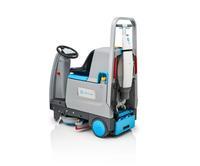




Industrial floor scrubbers (walk-behind vs ride-on)
Industrial floor scrubbers are engineered to withstand a considerable amount of strain and deliver excellent cleaning results, making them essential for industrial floor cleaning in logistics hubs and large facilities. Floor scrubbers are designed for the rigors of warehouse environments and provide powerful cleaning performance, especially on tough concrete surfaces. Walk-behind floor scrubbers are suited for small to medium areas, while ride-on floor scrubbers are essential for large warehouses and can cover up to 60,000 square feet per hour—significantly faster than manual methods.
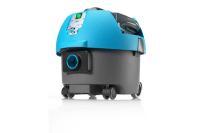
Commercial vacuum cleaners for dust and debris
Commercial vacuum cleaners are designed to handle both fine dust and coarse dirt, including packaging scraps, paper scraps, foil residue, and wood splinters. These machines are suitable for general daily maintenance and are built for heavy-duty jobs, efficiently removing dirt, dust, and loose debris from large areas. Industrial vacuum cleaners are essential for narrow areas and fine dust, often equipped with HEPA filters for improved air quality.
Automatic scrubber dryers
Scrubber-dryers combine scrubbing, rinsing, and drying in a single pass, making them ideal for large areas and tough grime. These machines are especially effective in industrial cleaning and industrial floor cleaning, ensuring compliance with safety standards and operational efficiency.
Choosing the right equipment for a warehouse size
Selecting the right equipment depends on the size and layout of your warehouse or logistics hub. For large facilities, ride-on floor scrubbers are ideal for covering extensive areas quickly and efficiently. For smaller or narrow areas, walk-behind scrubbers and industrial vacuum cleaners are more suitable. Safety features in cleaning machines, such as 1-Step operation, safety locks, and excellent water recovery, help mitigate slip hazards and improve operator safety. Using strong cleaning tools can also extend machine lifespan and reduce maintenance costs, ensuring long-term value for your industrial cleaning investment.
Large industrial spaces require careful planning, especially when choosing the right floor scrubber for maximum coverage and durability.
Cleaning Chemicals and Solutions
- Industrial-grade degreasers
- pH-neutral cleaners for sealed floors
- Eco-friendly and low-VOC cleaning products
- Safe chemical handling and storage
- Matching cleaning solutions to floor materials: Using the right cleaning solution for each floor type is essential for effective warehouse floor cleaning, improving safety, and prolonging equipment lifespan.
Regular maintenance with the right cleaning solution can reduce dust in the air by up to 70%, significantly improving air quality in the warehouse.
Safety Best Practices During Floor Cleaning
- Slip-hazard prevention during wet cleaning
- Proper signage and floor marking
- Staff training and PPE requirements: Ensure all staff receive comprehensive training on health and safety, including the correct use of personal protective equipment (PPE), to meet occupational safety standards and safety standards in the warehouse environment.
- Cleaning around forklifts and heavy machinery: Pay special attention to cleaning around forklift trucks and other heavy machinery, as these areas require maintaining a safe environment to prevent accidents and ensure compliance with occupational safety standards.
- Be aware that, as of December 1, 2026, new Workplace Exposure Limits for airborne contaminants will be enforced in Australia. Ensure your warehouse floor cleaning practices are updated to comply with these regulations.
- Minimising downtime during cleaning operations
How Often Should Warehouse Floors Be Cleaned?
- Daily, weekly, and monthly cleaning schedules
The frequency of warehouse floor cleaning services depends on the facility's size, traffic volume, and industry. High-traffic warehouses and clean warehouse environments typically benefit from daily or weekly cleaning to maintain safety and efficiency, while less busy facilities may only require cleaning once or twice a week. Flexible scheduling options, including after-hours and weekend services, are available to minimize disruption to warehouse operations. Professional cleaning services can also provide detailed reporting and documentation of work completed for compliance records. Customised quotes for cleaning services are available after a site assessment to determine your facility's specific requirements. - High-traffic vs low-traffic zones
High-traffic areas in warehouses and other facilities need daily cleaning to stay safe and clean, while less busy spots might only need cleaning once or twice a week.
Maintaining Operational Efficiency During Cleaning
Maintaining operational efficiency during the cleaning process is essential for any busy warehouse. The right warehouse cleaning services can help minimize downtime by using advanced equipment like ride-on and walk-behind floor scrubbers that clean large areas quickly and thoroughly. Tailoring the cleaning process to your specific warehouse floors—considering floor type, traffic patterns, and the presence of heavy machinery—ensures that cleaning is both effective and unobtrusive. By scheduling regular cleaning at optimal times, warehouses can keep operations running smoothly, reduce the risk of equipment damage, and avoid costly interruptions. Consistent cleaning also prevents grime buildup, which can drive up maintenance costs and hinder productivity. Investing in the right equipment and a strategic cleaning plan keeps your warehouse clean, safe, and operating at peak efficiency.
Addressing High Traffic Areas
High traffic areas in warehouses are magnets for dirt, dust, and debris, making them critical zones for targeted cleaning. These busy pathways, often used by employees and machinery, require daily sweeping and spot cleaning to remove loose dirt and prevent safety hazards. Utilizing equipment such as vacuum cleaners and floor scrubbers allows for efficient removal of debris and tough stains, even in hard-to-reach spots. Cleaning agents and roller brushes can tackle stubborn grime, ensuring that these high-traffic areas remain safe and free from equipment-damaging buildup. By prioritizing the cleanliness of these zones, warehouses can maintain operational efficiency, protect valuable equipment, and create a safer environment for everyone.
Ensuring Dust-Free Working Areas
A dust-free warehouse is vital for both employee health and the longevity of your equipment. Dust can quickly accumulate, especially in areas with heavy foot traffic or active machinery, leading to airborne particles that affect air quality and morale. To combat this, regular cleaning with vacuum cleaners is essential. These machines ensure that dust is captured before it becomes airborne, keeping floors and machinery clean. Additional measures, such as sealing floors or applying dust-reducing coatings, can further prevent dust buildup. By maintaining dust-free working areas, warehouses not only meet occupational health standards but also foster a cleaner, more productive environment for their teams.
Spot Cleaning and Ongoing Maintenance

Spot cleaning and ongoing maintenance are key to keeping warehouse floors and equipment in top condition. Spot cleaning involves addressing spills, stains, and dirty areas as soon as they occur, preventing them from spreading or causing accidents. Ongoing maintenance means sticking to a regular cleaning schedule, using equipment like floor scrubbers and vacuum cleaners to keep dirt and grime at bay. This proactive approach reduces the risk of equipment damage, lowers maintenance costs, and ensures that the warehouse remains a safe and efficient workspace. By combining immediate spot cleaning with consistent maintenance, warehouses can extend the life of their floors and machinery while supporting smooth daily operations.
Techniques for Removing Stubborn Stains
Tackling stubborn stains on warehouse floors requires the right combination of cleaning agents, equipment, and technique. For oil, grease, or other tough stains, start with a cleaning agent formulated for industrial use. Applying the solution and using a roller brush or scrubber drier can help break down and lift even the most persistent marks. In cases where stains are deeply embedded, a more intensive approach—such as a high-pressure washer—may be necessary, but always test on a small area first to avoid damaging the floor or nearby equipment. Regular cleaning and prompt attention to spills can prevent stains from setting in, making future cleaning easier and keeping your warehouse floors looking their best.
In-House vs Professional Warehouse Floor Cleaning
Benefits of in-house cleaning teams
Having an in-house cleaning team allows for flexibility in scheduling and immediate response to spills or hazards. Your staff will be familiar with the warehouse layout and specific needs, which can help maintain daily cleanliness standards.
When to hire professional cleaning services
Professional cleaning services are ideal for deep cleans, periodic maintenance, or when specialized industrial cleaning is required. These services use advanced industrial cleaning equipment such as floor scrubbers to ensure thorough removal of dirt, dust, and debris, supporting both safety and operational efficiency. Investing in professional cleaning can enhance your business performance by maintaining a safe and compliant environment. Additionally, professional cleaning services provide detailed reporting and documentation of work completed, which is valuable for compliance records and audits.
Cost comparison and ROI
While in-house teams may seem cost-effective, professional services can offer a better return on investment by reducing downtime, preventing accidents, and extending the lifespan of your warehouse floor. Consider the long-term benefits to your business when evaluating cleaning options.
Specialist equipment and expertise
Professional cleaners have access to industrial cleaning equipment and are trained in the latest techniques, ensuring a higher standard of cleanliness. This expertise is especially important for businesses that must meet strict industry regulations.
Long-term maintenance advantages
Regular professional cleaning helps prevent the buildup of grime and damage, reducing the need for costly repairs. This proactive approach supports the overall efficiency and safety of your business operations.
Common Warehouse Floor Cleaning Mistakes to Avoid
- Using the wrong cleaning chemicals
- Over-wetting concrete floors
- Skipping regular maintenance
- Ignoring oil and chemical spills
- Inadequate staff training
Conclusion
Warehouse floor cleaning is more than a routine task—it’s a critical part of running a safe, efficient, and compliant operation. From choosing the right cleaning methods and equipment to following smart safety practices, every decision impacts your warehouse performance. By investing in proper floor cleaning and maintenance, you protect your staff, extend floor life, and create a more productive work environment. Ready to upgrade your warehouse cleaning strategy? Start with a tailored plan that fits your space, traffic, and operational demands.
Warehouse environments demand heavy-duty cleaning equipment capable of handling large areas and tough debris. Selecting the right machinery improves safety and productivity. For expert guidance, see our commercial cleaning equipment buyers' guide .
Explore our full range of industry cleaning expertise tailored to diverse operational environments.
Book a demo to learn more!
Products Featured Inside this Article
Media and Insights
Join the movement that's changing what clean means.
Be part of a cleaner world. Get a live demo at a time that suits you.
Book a Demo
