
You are reading: Luxury Vinyl Plank Flooring: A Homeowner's Complete Flooring Blueprint
26 November 2025
10min read time
Paul P.
Luxury Vinyl Plank Flooring: A Homeowner's Complete Flooring Blueprint
Share:

Did you know LVP flooring is now one of the fastest-growing flooring options, with global demand skyrocketing past $30 billion last year? It’s true! As a homeowner or renovator, you’ve probably heard the buzz — and for good reason. LVP flooring combines durability, affordability, and stunning design in a way that has completely reshaped modern interiors. In this guide, I’ll walk you through everything you need to know so you can choose the perfect LVP for your home. Let’s dive in!
What Is Luxury Vinyl Plank Flooring?
Luxury vinyl plank (LVP) flooring, also known as luxury vinyl plank LVP, has become increasingly popular in the flooring industry due to its realistic wood-like appearance, durability, and versatility. Unlike traditional vinyl, LVP is designed to closely mimic the look and feel of hardwood, making it a preferred choice for homeowners and businesses seeking both style and practicality.
One of the key differences lies in its construction. LVP flooring is made up of multiple layers, including a wear layer, design layer, and backing. These multiple layers enhance its water resistance, durability, and overall performance, setting it apart from traditional flooring materials.
Compared to laminate, hardwood, and engineered wood, LVP offers superior moisture resistance and is easier to install and maintain. Its layered structure also provides added comfort underfoot and better sound insulation.
LVP's popularity has surged as the flooring industry has evolved to meet the demand for cost-effective, attractive, and resilient flooring options. The rise of luxury vinyl plank LVP reflects a broader shift in the industry toward innovative materials that combine authentic appearance with practical benefits.
Key Benefits of LVP
- Waterproof and moisture-resistant performance
- Low maintenance and easy cleaning: LVP offers easy maintenance, requiring minimal effort to keep it looking great. It is easy to clean, making it ideal for busy households, families with children, or pet owners.
- Realistic wood-look designs: LVP features authentic wood-look visuals and textures, while also being resistant to stains, which helps maintain its appearance over time.
- Comfort and sound absorption
- Long lifespan and scratch resistance: LVP is scratch-resistant, making it suitable for homes with pets and children, and ensuring long-lasting durability.
- Pet-friendly and kid-friendly features
LVP is a practical solution for those seeking a cost-effective and low-maintenance flooring option.
For a broader overview of maintenance strategies, explore our guide to commercial floor cleaning best practices .
Types of LVP Flooring
Rigid Core (SPC)
Rigid Core, also known as Stone Polymer Composite (SPC), features a dense limestone-based core that makes it extremely durable and highly resistant to dents and impacts. It’s ideal for high-traffic areas or homes with kids and pets because of its stability and toughness. SPC also performs well in temperature fluctuations, making it suitable for both residential and commercial use.
Wood-Plastic Composite (WPC)
WPC flooring has a wood-and-plastic blended core that provides a softer, more cushioned feel underfoot compared to SPC. It offers excellent sound absorption and comfort, making it great for living spaces and bedrooms. Its waterproof properties also make it a strong choice for kitchens, bathrooms, and basements.
Flexible LVP
Flexible LVP is the traditional form of vinyl plank flooring, known for its bendable, glue-down design that easily conforms to subfloor imperfections. It’s lightweight and budget-friendly, making it a go-to option for large renovation projects or multi-room installations. Flexible LVP is especially popular in commercial spaces due to its easy replacement and strong adhesive bonding.
Water Resistant Flooring
Water resistance is one of the standout features of luxury vinyl flooring, making it a top choice for rooms where moisture is a constant concern. Whether you’re updating your kitchen, bathroom, or laundry room, LVP flooring offers exceptional water resistance thanks to its advanced wear layer and multi-layer construction. This means spills, splashes, and even standing water are far less likely to cause damage, stains, or warping compared to traditional flooring options. When installing vinyl plank flooring, it’s important to follow the manufacturer’s guidelines to ensure a tight, water-resistant seal between planks. For ongoing care, use a pH-neutral cleaner to keep your floors looking their best and to maintain their protective surface—avoiding harsh chemicals that can break down the wear layer. With luxury vinyl planks, you can enjoy beautiful, durable floors in any room, confident that they’ll stand up to everyday messes and moisture.
Installation Methods for LVP
Click-lock floating floor installation
This method allows you to install luxury vinyl planks (LVP) without adhesives. Installing vinyl planks is straightforward and can be done with basic tools, making it a popular choice for DIYers. The planks simply click together, creating a floating floor that sits above the subfloor.
Glue-down installation
Glue-down LVP requires adhesive to secure the planks to the subfloor. This method is ideal for high-traffic areas and commercial spaces. When using this method, sealing the edges is important to prevent moisture infiltration and maintain durability.
Loose lay
Loose lay LVP uses friction and weight to keep the planks in place, requiring minimal adhesive. This method is suitable for quick installations and easy removal or replacement.
DIY vs. professional installation
LVP is designed for easy installation, making it accessible for DIYers and reducing installation time compared to many other hard flooring types. However, professional installation ensures the flooring is properly installed, which helps maintain product warranties, ensures durability, and provides a flawless finish.
Subfloor preparation requirements
Before you install LVP, the subfloor must be clean, dry, and level. LVP can be installed over existing floors, such as tiles or laminate, but it is essential to ensure that existing floors are secure and properly prepared. Tiles and tile floors must be level and grout lines filled before installing LVP over them. A stable base, such as concrete, is recommended for moisture resistance, especially in wet or high-humidity areas. Proper preparation of the subfloor is crucial for a successful installation and long-lasting performance.
Best Brands of LVP Flooring
Shaw
Shaw offers a wide range of luxury vinyl plank options known for durability and realistic wood-look designs. Their products often feature enhanced scratch resistance and waterproof technology.
COREtec
COREtec is a pioneer in rigid core LVP, providing high-performance, waterproof planks that are ideal for high-traffic and moisture-prone areas. They are praised for stability, comfort underfoot, and stylish designs.
Mohawk
Mohawk luxury vinyl planks combine affordability with quality, offering diverse styles and finishes suitable for both modern and traditional interiors. Their products emphasize durability, ease of installation, and innovative wear layers.
LifeProof
LifeProof LVP is known for its DIY-friendly, click-lock installation and waterproof performance. It is designed for families and high-traffic spaces, offering practical durability without compromising on style.
Armstrong
Armstrong provides versatile and reliable vinyl plank flooring with a focus on realistic textures and color variety. Their products are durable, easy to maintain, and widely available for both residential and commercial use.
Top Styles and Design Trends
Wide Plank Designs
Wide plank LVP offers a spacious, contemporary look that visually enlarges rooms and highlights the natural grain of the flooring. It’s popular in open-concept homes for creating a seamless, luxurious appearance.
Textured and Embossed Finishes
Textured and embossed finishes mimic the feel of real wood or stone, adding depth and authenticity to the floor. These finishes also help hide scratches and wear over time.
Driftwood and Coastal Tones
Driftwood and coastal tones bring a light, airy, and relaxed vibe to interiors, evoking beach-inspired aesthetics. They work well in modern, casual, and Scandinavian-style spaces.
Modern Farmhouse Looks
Modern farmhouse LVP combines rustic charm with contemporary design, featuring weathered textures and soft neutral colors. This trend complements shiplap walls, exposed beams, and cozy home décor.
High-Variation Planks
High-variation planks mix shades and grain patterns for a more dynamic, natural wood look. They’re ideal for creating visual interest and masking minor scratches or dirt.
Matte vs. Glossy Finish Trends
Matte finishes are popular for their understated elegance and ability to hide scratches, while glossy finishes offer a sleek, reflective surface that enhances the floor’s visual impact. Both styles can dramatically influence the room’s mood and lighting.
LVP offers an extensive range of colours and vinyl plank flooring options, making it easy for homeowners to match any interior style or personal preference. This extensive range ensures there are vinyl plank flooring options to suit every taste, from classic to contemporary designs.
How to Maintain & Clean LVP Flooring
Recommended Cleaning Schedule
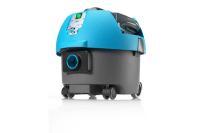
- Sweep or vacuum your vinyl plank (LVP) flooring regularly using an electric commercial vacuum vac 6 to remove dirt and debris. Use a soft-bristle attachment or soft brush setting to avoid scratching.
- Mop weekly (or as needed) with a damp microfiber mop to keep the surface fresh and clean. Use a well-wrung mop; avoid soaking the floor.
- For deeper cleaning or thorough dirt and grime removal (especially in high-traffic zones), consider using an i-team ANZ cleaner labelled safe for vinyl. Our guidance on “deep cleaning vinyl floors” emphasizes using pH-neutral, vinyl-safe solutions and avoiding excess water - i-team ANZ
Best Cleaning Products
- Use a pH-neutral cleaner specifically formulated for vinyl plank or vinyl flooring. According to vinyl-care experts, this helps preserve the wear layer and prevents gloss fading.
- Avoid wax-based, oil-based, or “polish” products (unless explicitly vinyl-safe). These can leave residue, attract dirt, or degrade the protective wear layer over time.
What to Avoid (Abrasives, Harsh Chemicals, Over-Wet Mopping, Steam)
- Do not use abrasive scrubbers, steel wool, or hard-bristle brushes — these will scratch or dull the surface.
- Avoid harsh chemicals (bleach, ammonia, strong detergents), waxes or polishes, and multipurpose cleaners that aren’t vinyl-safe — they can erode or discolor the finish.
- Do not over-saturate the floor with water or use steam mops — excessive moisture can seep into seams and damage the floor’s structure or adhesive, especially over time.
Scratch-Prevention & Damage Protection Tips
- Place felt pads or soft floor protectors under furniture legs to prevent scratching when furniture is moved.
- When moving heavy furniture, always lift instead of dragging — sliding heavy objects can gouge or dent vinyl planks.
- Use area rugs or floor mats in high-traffic zones or entryways to trap dirt and grit, minimizing scratch risk.
How to Handle Dents, Scratches, or Minor Damage
- For minor scratches or scuffs, use a vinyl floor repair kit compatible with your flooring type. Many LVP floors are designed to allow plank replacement if damage is too serious.
- For more significant damage (cracks, warping, delamination), replacement of the affected plank(s) may be the safest long-term solution.
Pros and Cons of LVP Flooring
Benefits Overview
Luxury vinyl plank (LVP) flooring is a popular choice for homeowners due to its durability, affordability, and realistic wood-like appearance. It is highly resistant to scratches and stains, making it ideal for high-traffic areas. LVP is also waterproof, which means it is suitable for wet areas such as bathrooms and laundries. Its versatility allows it to be installed in various areas of the house, including moisture-prone zones like kitchens and basements, providing a consistent look throughout your home.
Potential Drawbacks
While LVP offers many advantages, it may not add as much value to your home as natural hardwood. Some lower-quality products can be prone to fading or denting over time. However, LVP can enhance the look and functionality of any space in the home, making it a flexible option for different rooms and design needs.
When LVP is (and isn’t) the Best Choice
LVP is an excellent option for families with pets or children, or for those seeking a low-maintenance flooring solution. It works well in spaces that are prone to moisture, such as basements, kitchens, and bathrooms. However, it may not be the best choice for homeowners who prefer the feel and prestige of real hardwood.
Considerations for Long-Term Value
When considering LVP for your house, think about the long-term value and how it fits with your lifestyle. While it may not have the same resale value as hardwood, its durability and suitability for wet areas and high-traffic spaces make it a practical and attractive choice for many homeowners.
Comparison to Other Flooring
When weighing your flooring options, luxury vinyl flooring stands out for its unique blend of style, durability, and practicality. Unlike laminate flooring, which can be vulnerable to water damage, vinyl plank flooring is highly water-resistant and can easily withstand heavy foot traffic, making it an excellent choice for both residential and commercial spaces. Compared to traditional timber floors, luxury vinyl planks offer a more affordable solution with a realistic appearance that closely mimics natural materials like wood and stone—without the high maintenance or cost. Vinyl plank flooring is also easier to care for and more resistant to scratches and stains, making it ideal for busy households and high-traffic areas. If you’re looking for a flooring option that combines the beauty of timber with the resilience and low upkeep of vinyl, LVP flooring is a smart, stylish, and practical choice.
Areas of the Home
Vinyl plank flooring is incredibly versatile, making it suitable for a wide range of spaces throughout your home or business. In busy households, luxury vinyl flooring is an excellent choice for high-traffic areas like entryways, hallways, and living rooms, thanks to its resistance to scratches, stains, and everyday wear. Its water-resistant properties also make it ideal for moisture-prone areas such as kitchens, bathrooms, and laundry rooms, where spills and humidity are common. For commercial spaces, vinyl plank flooring offers the durability needed to withstand heavy foot traffic while maintaining a stylish appearance. Whether you’re renovating a single room or updating an entire property, LVP flooring provides a practical, low-maintenance solution that looks great and performs well in any environment.
Common Mistakes
Installing vinyl plank flooring can be a straightforward process, but there are a few common mistakes that can impact the final result. One of the most frequent issues is inadequate subfloor preparation—failing to address height differences or uneven surfaces can lead to an unstable floor and visible imperfections. It’s also important to use the correct adhesive and follow the manufacturer’s installation instructions closely to ensure a secure fit and long-lasting performance. When it comes to cleaning, avoid harsh chemicals and abrasive cleaners, as these can damage the wear layer and reduce the floor’s lifespan. Instead, stick to a pH-neutral cleaner designed for vinyl flooring. By taking the time to prepare properly and using the right products, you’ll ensure your LVP flooring remains beautiful, durable, and easy to maintain for years to come.
How to Choose the Right LVP for Your Home
Choosing the Right Wear Layer
The wear layer protects the vinyl plank from scratches, stains, and daily wear. A thicker wear layer offers greater durability, especially in high-traffic areas or homes with pets and children.
Thickness Considerations
LVP thickness affects comfort, stability, and sound absorption. Thicker planks generally feel more solid underfoot and are better at concealing subfloor imperfections.
Color and Style Selection
Choose colors and styles that complement your existing décor, lighting, and room size. Light tones can make small spaces feel larger, while dark or high-variation planks add warmth and visual interest.
Choosing LVP for Kitchens, Bathrooms, and Basements
Opt for waterproof or rigid core LVP in moisture-prone areas like kitchens, bathrooms, and basements. Properly selected LVP resists warping and remains durable even under high humidity conditions.
Questions to Ask Before Purchasing
Ask about wear layer thickness, warranty, installation type, and maintenance requirements. Also, check compatibility with your subfloor and whether the style suits your long-term design vision.
Conclusion
LVP flooring has become a top choice for homeowners seeking beauty, durability, and affordability — without sacrificing style. With its waterproof design, realistic textures, and endless options, LVP can transform any room in your home. Whether you're renovating or building new, take your time exploring the styles, brands, and installation methods that fit your needs. Ready to upgrade your floors? Get the right cleaning equipment that makes a real difference.
Contact us today to learn more and find the perfect fit for your needs!
Products Featured Inside this Article




Media and Insights
Join the movement that's changing what clean means.
Be part of a cleaner world. Get a live demo at a time that suits you.
Book a Demo
